Market Analysis · September 2026
The Algarve Property Market: A 2026 Overview
A measured guide to Algarve property in 2026, from international demand and regional differences to investment questions and the risks buyers should understand.
The Algarve market in 2026: a region, not a single market
The Algarve remains one of Portugal’s most recognisable property markets, but it is not one uniform market. A sea-view apartment in Lagos, a golf villa in Quinta do Lago, a townhouse in Tavira and a farmhouse inland from Silves appeal to different buyers, trade at different levels and carry different ownership considerations. The useful question in 2026 is therefore not simply whether Algarve property is “up” or “down”; it is which location, property type and use case are being considered.
The region continues to attract international buyers because it combines a mild climate, a long Atlantic coastline, established infrastructure and a wide range of lifestyles within a relatively compact geography. For some, the priority is a walkable historic town. For others, it is a managed golf resort, a quiet eastern-Algarve base or a country home with land. This variety creates resilience, but it also makes broad market averages less helpful than local, property-specific research.
A sound purchase starts with a clear brief and a realistic view of what the budget can achieve. Our Portugal property buying guide explains the wider process, while this overview focuses on the forces shaping the Algarve market and the questions an international buyer should ask before viewing homes.
What the latest evidence tells us
The most useful public indicators describe demand around the property market rather than providing a single definitive price forecast. The Algarve Sustainable Tourism Observatory, hosted by the Algarve Tourism Board and supported by Turismo de Portugal, reported 20.82 million overnight stays and 5.34 million guests in its figures updated in March 2026. International visitors accounted for 16 million overnight stays, and the region recorded €1.8 billion in tourism revenue. Those figures help explain why well-located homes can attract sustained interest, but they are not a promise of rental income or capital growth.
Statistics Portugal reported that the Algarve represented 18.6% of Portugal’s overnight stays in the first quarter of 2025 and that 81.2% of Algarve overnight stays came from external markets in that period. That international orientation matters to owners considering a second home or managed rental, particularly in coastal and resort locations. It also means that demand is exposed to airline capacity, exchange rates, travel patterns and the wider European economy.
The positive story is not only about summer. The Observatory’s data points to lower seasonality than previously recorded, with domestic demand helping to spread activity beyond the high season. Golf, walking, wellness, food, culture and remote-working flexibility all support a broader calendar. Buyers should still model conservative occupancy and verify current licensing rules, but the region’s appeal is increasingly based on year-round use rather than a few peak weeks. Read the Algarve Sustainable Tourism Observatory’s current figures for the underlying regional data.
Why international demand remains resilient
International demand is supported by several overlapping groups. Lifestyle buyers want a home that can be used for long stays, family holidays and an easier pace of life. Retirees and future retirees often prioritise healthcare access, practical services and a community that is active outside July and August. Investors may be looking for a managed asset, while buyers relocating for work or family reasons need a property that functions as a permanent home rather than a holiday product.
The Algarve also benefits from a strong amenity story. Faro provides the region’s international airport; the coast offers beaches and water sports; the central Algarve has long-established golf, marina and hospitality infrastructure; and towns such as Lagos, Loulé, Albufeira, Portimão, Faro and Tavira each have their own identity. The official VisitPortugal guide to the Algarve is a helpful overview of the region’s beaches, historic towns, golf, nature and walking routes.
For buyers comparing different lifestyle-led destinations, research into European ski travel and resort inspiration can also be a useful reminder that a second home is usually bought for a pattern of life, not just a spreadsheet. The right Algarve property should work for the owner’s actual calendar, travel tolerance and preferred way of spending time.
Coastal prime, established resorts and the eastern Algarve
The western Algarve, including Lagos, Praia da Luz, Alvor and parts of Portimão, attracts buyers who want dramatic coastline, beaches, a lived-in town atmosphere and access to outdoor activities. There is a broad mix of resale apartments, villas, new developments and rural properties. Proximity to the ocean can command a premium, but micro-location remains crucial: a property may be close to a beach while still being inconvenient for year-round services, parking or day-to-day shopping.
The central Algarve is home to some of the region’s best-known resort markets. Quinta do Lago, Vale do Lobo and Vilamoura appeal to buyers seeking golf, security, hospitality and a highly maintained environment. These locations often have strong international recognition and a deep network of service providers. The trade-off is that entry prices and running costs can be higher, and buyers need to understand condominium rules, resort charges, rental policies and the difference between a private home and an investment operated within a managed scheme.
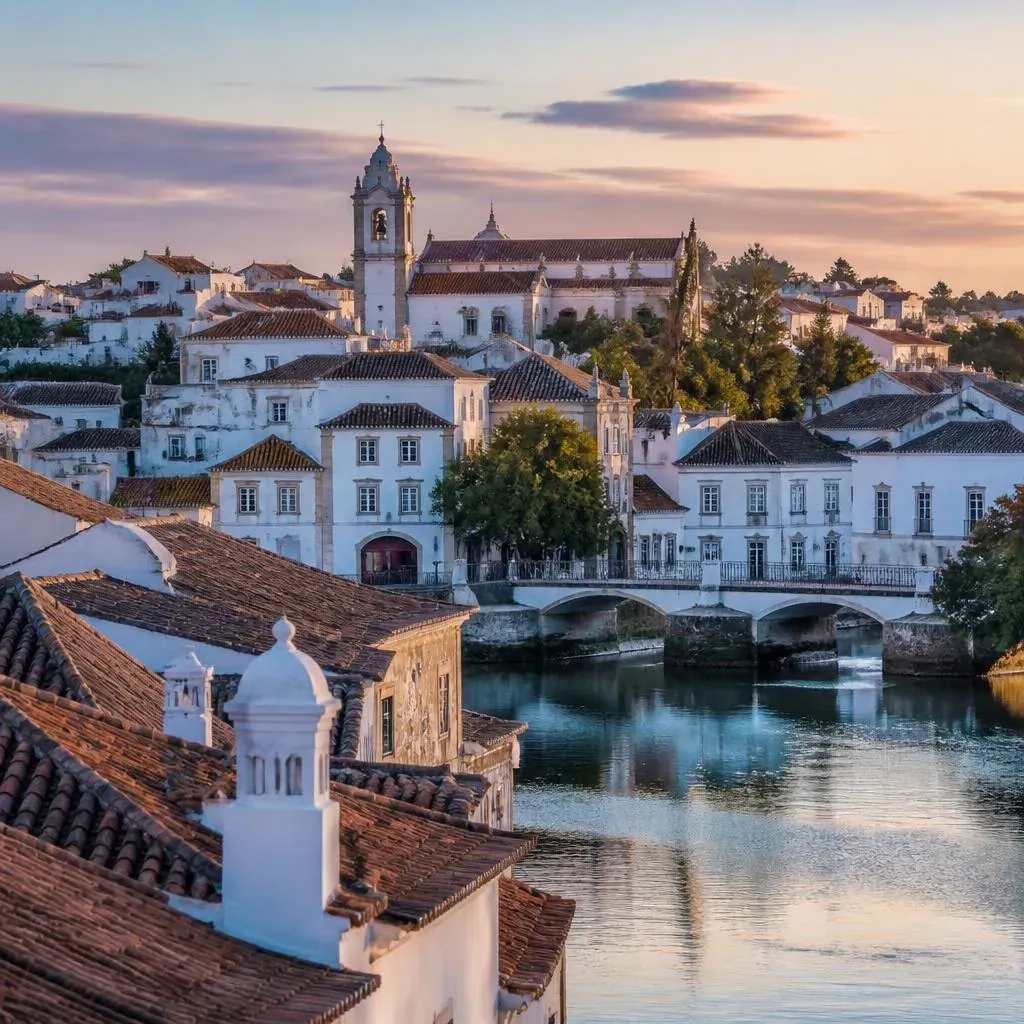
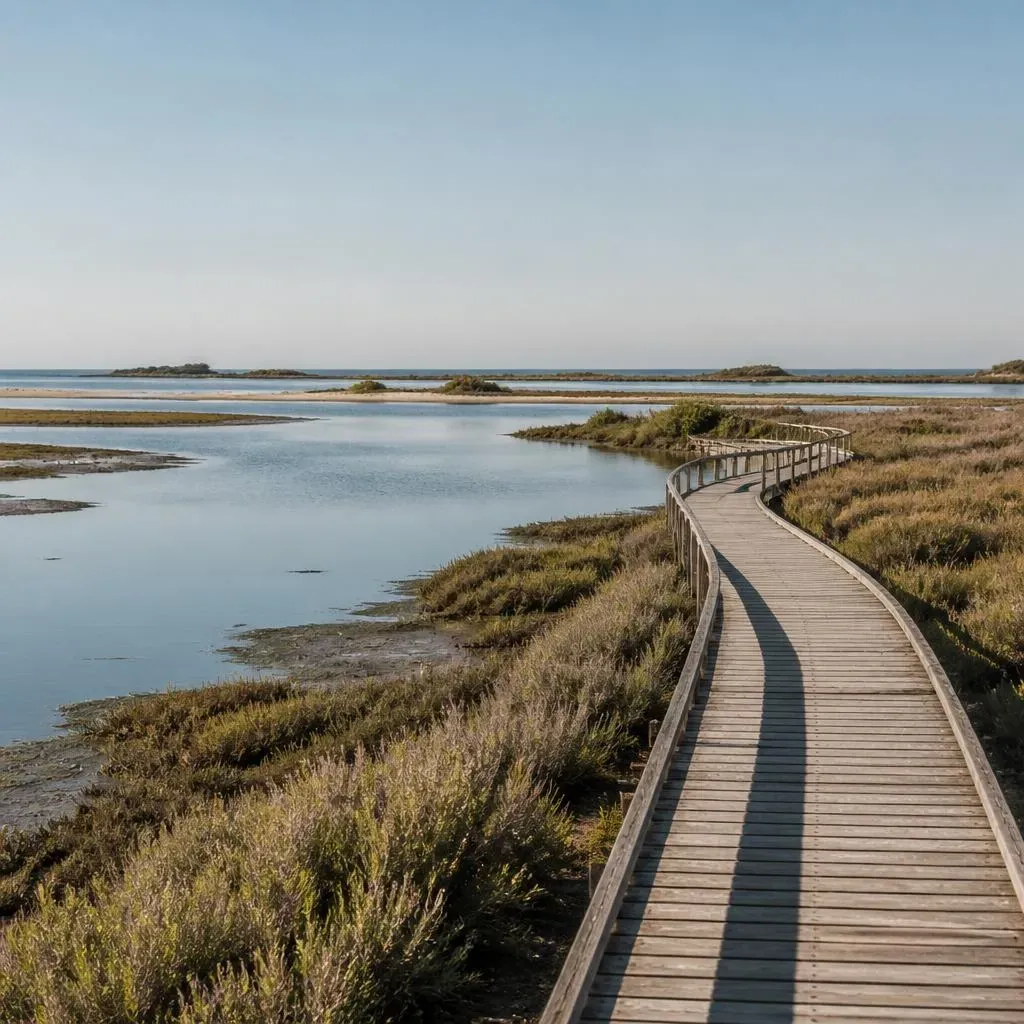
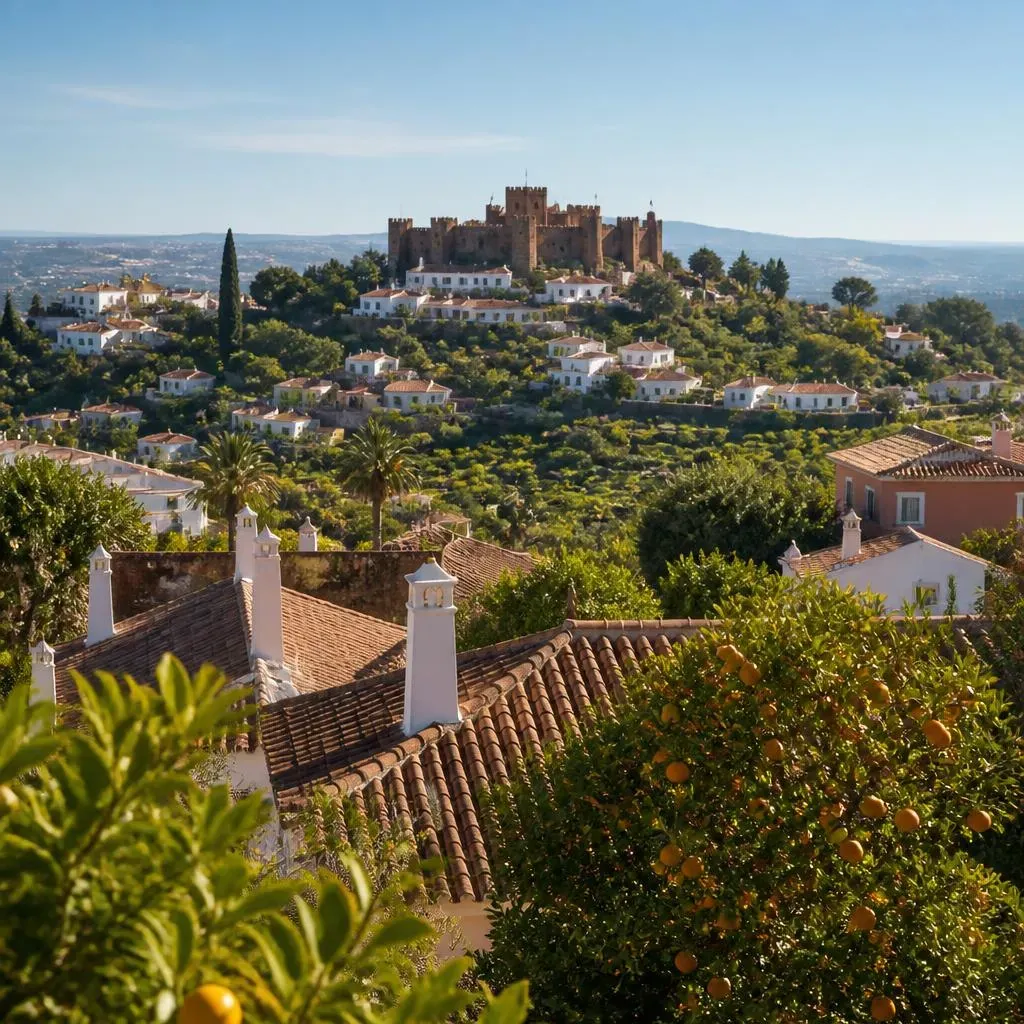
The eastern Algarve, around Tavira, Cabanas, Vila Nova de Cacela and Castro Marim, tends to offer a more relaxed relationship with the coast and a stronger connection to traditional towns and the Ria Formosa landscape. It can suit buyers seeking space, authenticity and a quieter pace, although transport and service access should be assessed carefully. Inland areas around Loulé, São Brás de Alportel, Silves and Monchique add land, views and privacy, but planning, water supply, access roads and renovation costs become even more important.
These are broad patterns, not rules. A beautifully renovated townhouse can outperform a larger villa for one buyer, while a new-build apartment may be preferable to an older detached home for someone who lives abroad. The best comparison is always between like-for-like properties with the same intended use, quality, legal position and management requirements.
What is driving value in the Algarve?
Scarcity is one part of the value story. Protected coastline, planning controls, environmental designations and limited high-quality development land restrict what can be built in the most desirable settings. That does not mean every scarce property is a good purchase; it means the details behind the scarcity need to be understood. A home with a clear title, sensible access, quality construction and a location that remains attractive beyond one season is more defensible than a property marketed only around a vague promise of exclusivity.
Quality and convenience are also increasingly important. Buyers living abroad often value turnkey condition, energy performance, reliable internet, outdoor space, secure parking and a professional management option. New developments may offer better insulation, modern systems and communal amenities, while resale properties may provide established gardens, mature neighbourhoods and a clearer sense of how the area functions. Neither is automatically better; the right choice depends on the owner’s time, budget and appetite for works.
The market is also becoming more discerning about sustainability. Water management is a real regional issue, and responsible buyers should ask how gardens are irrigated, whether landscaping is appropriate to the climate and how a development manages consumption. Energy efficiency, shading, ventilation, solar provision and maintenance can affect both comfort and long-term running costs.
Rental and investment: look beyond gross yield
A property can be a good investment without being the highest-yielding asset on a spreadsheet, but the numbers need to be honest. Gross rental income is only the starting point. Owners should allow for management, cleaning, utilities, insurance, repairs, taxes, platform or agency fees, financing, furnishing, condominium charges and the periods when the home is reserved for personal use. Net performance can look very different from a headline weekly rate.
The Algarve’s international visitor base is positive for well-presented accommodation, and the region’s improving seasonality may support demand outside the summer peak. However, rental regulation can change and the rules for local accommodation should be checked for the municipality and property in question. A lawyer and specialist accountant should confirm the relevant licensing, tax and ownership structure before a buyer relies on an investment projection.
Location affects the rental audience. A resort apartment with golf and concierge facilities may suit short breaks and managed stays. A townhouse in Tavira may appeal to guests who want culture, restaurants and a slower rhythm. A large villa can command strong rates for family groups, but it will usually involve higher maintenance and a narrower calendar. Our guide to off-market property sourcing explains how a retained adviser can help identify opportunities that fit a buyer’s actual operating plan rather than simply presenting the most visible listings.
The risks buyers should price in
The first risk is buying the wrong property for the intended use. A home that works brilliantly for August holidays may be awkward for January living, while a remote rural property may be beautiful but expensive to maintain from abroad. Buyers should visit at different times of day, consider winter access and test the distance to everyday services before making an offer.
Legal and planning due diligence is essential. An independent Portuguese lawyer should check title, boundaries, licences, planning history, easements, debts, condominium records and any restrictions on use. For older or altered properties, a qualified surveyor or architect should assess the building and confirm that visible works are consistent with the permitted plans. A pool, annex, enclosed terrace or converted garage should never be assumed to be regularised simply because it appears in marketing photography.
Climate and operating risk deserve equal attention. Water availability, wildfire exposure, drainage, coastal weather, insulation and insurance conditions vary by location. Buyers should ask practical questions about supply, access, maintenance and resilience, then obtain professional advice suited to the property. These checks are not reasons to avoid the Algarve; they are how an attractive purchase becomes a durable one.
A practical strategy for international buyers
Begin with the life you want to lead. Write down the months you expect to be in Portugal, who will use the property, whether you need schools or healthcare nearby, how much outdoor maintenance you will tolerate and whether rental income is essential or simply welcome. Add a realistic all-in budget for acquisition costs, furnishing, works and ongoing management. This brief will immediately make the market more navigable.
Next, compare locations rather than browsing every listing in the region. Spend time in at least two different areas and note the journey from Faro Airport, the quality of local services, the atmosphere outside peak season and how the landscape feels in person. Ask what is planned nearby, not only what exists today. A short list of three or four locations is more useful than a long list of attractive but incomparable properties.
When a property fits, move quickly enough to be credible but not so quickly that due diligence is compressed. Request the core documents, understand the proposed reservation and contract stages, and make sure your lawyer can review the purchase before funds become difficult to recover. If the property is being marketed off-market, discretion may be valuable, but it is never a substitute for checks.
For buyers who also enjoy winter travel, comparing the ownership model with buying a ski property in the French Alps can be a useful exercise in looking beyond purchase price to seasonality, management, access and the owner’s real usage pattern. A second home should complement your life, not create a second full-time job.
Property From Portugal can help define the brief, source listed and off-market opportunities, arrange viewings and coordinate the next steps with independent legal, tax and technical advisers. We provide property consultancy rather than legal, tax or immigration advice, and all investment assumptions should be tested with appropriately qualified professionals.
The outlook: selective confidence rather than blind optimism
The Algarve enters the latter part of 2026 with a strong international profile, a substantial tourism economy and a wide range of locations that continue to attract lifestyle buyers. The most resilient opportunities are likely to be those with genuine usability, clear legal status, good access and a setting that remains compelling outside a single peak season.
That is a positive outlook, but not a promise that every property will rise in value or produce a target return. Buyers should expect a more selective market in which specification, energy performance, planning, water, management and micro-location matter. The advantage of careful research is not simply avoiding a bad purchase; it is finding the particular Algarve that suits the way you want to live.
For another perspective on the residency landscape, read our Golden Visa transition guide, and contact us when you are ready to turn a broad interest in the Algarve into a focused property brief.
More Portugal property reading