
Advisory · September 2026
Finding Portugal’s Off-Market Property: A Buyer’s Guide
How discreet property opportunities are sourced in Portugal, what buyers should check before committing and where a retained adviser adds practical value.
What “off-market” really means
Off-market property is not a special legal category. It is a description of how a home is introduced to potential buyers rather than a guarantee about its quality, price or investment potential. The owner may have chosen not to advertise publicly, may be preparing the property for a formal launch, or may be willing to consider a sale if the right buyer approaches.
In Portugal, the phrase can cover everything from a private villa shared with one trusted adviser to a developer’s early release, a resale home being quietly tested with local agents or a country property known through a professional network. The common feature is controlled access. A buyer may receive fewer details initially and be expected to demonstrate seriousness before a full viewing or document pack is shared.
That discretion can be useful, particularly for owners who value privacy or for homes in tightly held locations. It should not, however, create artificial urgency. An off-market introduction still needs the same independent valuation, legal review, planning checks and technical inspection as a property advertised on the open market.
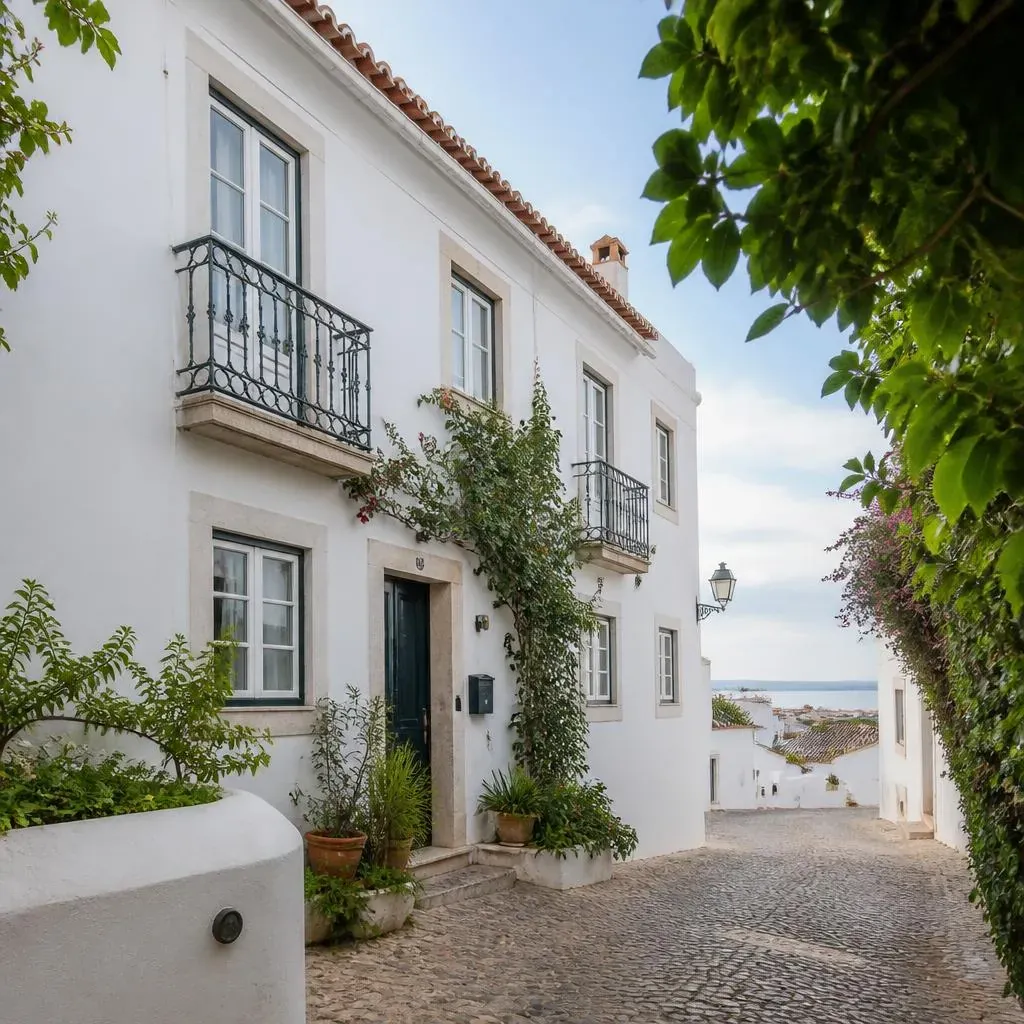
Why sellers choose a controlled sale
There are practical reasons for selling privately. A family may want to test the market without announcing a move to neighbours; an owner may be travelling and prefer a small number of accompanied viewings; or a recently completed home may need photography, furnishing or final documentation before a full campaign. A seller who is not under immediate time pressure can also prefer to wait for a buyer whose brief and timetable are a good fit.
Prime property is often relationship-led. An owner, architect, lawyer, resort manager or local agent may know that a house could be available even though there is no public listing. Developers can also speak with advisers before a launch, when layouts or specification may still be discussed. These situations reward a buyer who has a defined brief and can respond clearly, rather than someone browsing without a plan.
The seller’s motivation should still be understood. “Private” can mean carefully managed, but it can also mean that the home has not yet been fully prepared for market. Ask what has prompted the conversation, what timetable is expected and which documents are ready. A calm, factual exchange is more valuable than the label off-market itself.

The adviser’s first job is to sharpen the brief
A strong off-market search begins before a property is presented. An adviser should understand the intended use, preferred regions, minimum accommodation, outdoor space, access requirements, budget and purchase timetable. It is equally important to record the reasons a property would not work: steep access, extensive renovation, a busy road, high condominium charges, limited winter services or a location too far from an airport.
The brief should distinguish between essentials and preferences. A buyer may need a permanent base with reliable internet and nearby healthcare, while another may want a private holiday villa that can be managed and rented for part of the year. The same house can be an excellent fit for one brief and a poor fit for another. Good filtering protects the buyer from falling in love with a property before understanding its practical compromises.
For international buyers, the brief should also include how much involvement is realistic from abroad. A low-maintenance apartment, a managed resort villa and an old quinta with land have very different ownership demands. A sourcing adviser can identify those differences early, before travel, viewings and professional fees begin to accumulate.

Where genuine opportunities are found
The best sourcing networks are broad but locally informed. They may include established estate agents, independent architects, lawyers, property managers, developers, resort teams, relocation advisers and owners who have previously completed a transaction. The quality of the network matters more than the number of contacts. A list of unverified leads is not the same as access to suitable property.
Location knowledge is particularly important in Portugal because market boundaries are not always obvious from a postcode. A buyer interested in the Algarve may need to compare a walkable town, a golf resort, a coastal village and an inland property with land. In Lisbon, a quiet residential street can sit close to a major development area. An adviser should explain the micro-location, likely journey times, local services and any visible trade-offs rather than forwarding an attractive address without context.
Early conversations should also establish representation and confidentiality. The buyer should know whether the adviser is acting for them, the seller or both, how introductions are recorded and when a fee becomes payable. Clear terms are not at odds with discretion; they are what make a private search professional and accountable.

How to think about price when there is no listing
A private sale may feel as though it should come with a discount because the seller has avoided advertising costs and a public campaign. Sometimes it does, but there is no rule. A discreet seller may expect a premium for privacy, a sought-after home may have strong competing interest, and an early developer release may be priced in line with the wider scheme. The absence of a listing tells you how the property is being sold, not what it is worth.
Value should be tested against comparable evidence, condition, location, legal status and the cost of making the property work for the intended use. An older home with an apparently attractive price may need roof repairs, drainage work, pool improvements, energy upgrades or planning regularisation. A finished apartment may cost more but provide clearer management and lower immediate risk. An independent valuer or surveyor can help separate a fair opportunity from a persuasive story.
Ask for the seller’s expectations and the basis for the asking price, then keep negotiation factual. A credible offer sets out the proposed price, funding position, conditions, timetable and any assumptions that must be confirmed. It should never rely on a verbal promise that an extension, annex or rental licence will be dealt with later.

Due diligence remains the centre of the process
Before committing funds, appoint an independent Portuguese lawyer to verify the property and the transaction. The lawyer should review the land-registry position, ownership, mortgages or other encumbrances, boundaries, powers of attorney, condominium matters and any restrictions affecting the purchase. Portugal’s government guidance explains that a land-registry certificate records the legal situation of a property, including ownership and registered charges.
The document review should be matched by technical and planning checks. Depending on the property, that can include the caderneta predial, plans, use licence, energy certificate, technical file, tax records, condominium accounts, approved works and evidence that pools, terraces, annexes or conversions are authorised. A surveyor or architect should inspect the building and identify defects that may not be visible during a carefully presented viewing.
An off-market sale is not exempt from normal completion procedures. The Portuguese Casa Pronta service allows several procedures connected with buying and registering a property to be handled at one service point, including purchase and sale contracts and mortgage-related matters. Your lawyer will advise whether it is suitable for the specific transaction and coordinate the required documents.

From introduction to completion
The process usually starts with a confidential summary rather than a full marketing pack. If the home looks suitable, the buyer may sign an acknowledgement of confidentiality, provide proof of funds or confirm a viewing window. This is sensible when the owner wants privacy, but buyers should be cautious about being asked for unexplained payments or irreversible commitments before they have independent advice.
A viewing should be treated as an information-gathering exercise. Check light, noise, access, storage, internet, drainage, neighbouring uses and the relationship between indoor and outdoor space. Return at a different time if possible. For a rural or coastal home, ask about water supply, wildfire exposure, insurance, maintenance and access during winter weather. For a condominium or resort, request the rules, budgets, reserve funds and charges.
If the property remains suitable, the lawyer can move the purchase into the normal contractual stages: offer, document review, any reservation arrangement, the promissory contract known as the CPCV, satisfaction of conditions and completion. The buyer’s tax adviser and mortgage provider, where relevant, should be involved early enough that deadlines are realistic.
The particular advantages for international buyers
A carefully managed private search can reduce wasted travel for a buyer who lives overseas. Instead of touring every available property, the buyer can review a smaller group that has already been assessed against the brief. This is especially useful when the preferred home is not yet publicly marketed, when discretion matters or when a buyer is comparing several regions during one visit.
The adviser can also coordinate a joined-up itinerary: property viewings, meetings with lawyers and tax advisers, technical inspections, bank appointments and conversations with property managers. That does not remove the buyer’s need to make decisions, but it gives those decisions a clearer sequence. It also helps reveal practical costs that are easy to miss when a search focuses only on photographs and asking prices.
For buyers who divide their time between Portugal and other lifestyle destinations, research into summer in the French Alps and the wider second-home market can be a useful comparison. The same questions apply across destinations: how often will the property be used, who will manage it, what happens outside the peak season and how liquid is the resale market?
Red flags to take seriously
Be cautious when scarcity is used to force a decision. Statements such as “you must transfer today to keep the opportunity” or “there is no need for a lawyer because it is private” are not signs of a strong sourcing relationship. A credible seller and adviser should be able to explain the next step, identify what is not yet known and give the buyer enough time to obtain independent advice.
Other warning signs include unclear ownership, inconsistent floor areas, missing licences, pressure to use a particular lawyer, unexplained cash requests, an unverified power of attorney, refusal to provide basic documents or a price that is disconnected from comparable homes. A buyer should pause rather than allow the exclusivity of the introduction to override ordinary safeguards.
Confidentiality should protect the seller’s privacy, not prevent the buyer from carrying out checks. The right balance is a controlled flow of information: sensitive details are shared appropriately, while the buyer and their advisers receive what they need to assess the asset and the contract.
A strategic approach to off-market buying
Start with a written brief, a realistic all-in budget and a decision-making timetable. Be specific about whether you want a permanent home, a second home, a rental asset, land, a development opportunity or a combination. Then choose an adviser whose local network matches the locations and property types you are actually considering. A general promise of “exclusive access” is less useful than evidence of careful filtering and clear communication.
When a suitable opportunity appears, ask for enough information to make the next decision, not every possible document at once. Confirm the location, ownership contact, asking expectations, known condition, availability, likely timetable and any obvious restrictions. If the home passes that first screen, progress quickly to independent legal and technical review. Speed should mean good coordination, not skipped steps.
For buyers who are particularly interested in international second-home ownership, comparing the practicalities with buying a ski property in the French Alps can help clarify how access, seasonality, maintenance and personal use affect the real cost of ownership. A property is successful when it works in the owner’s life, not merely when it was difficult for others to find.
Discretion with discipline
The attraction of off-market sourcing is not the promise of a secret bargain. It is the possibility of finding a home that suits a precise brief before it is widely exposed, while giving the seller a more considered and private process. That can be valuable in Portugal’s most tightly held locations, but only when access is paired with honest context and independent advice.
Property From Portugal helps international buyers define their brief, source listed and private opportunities, arrange focused viewings and coordinate the next steps with independent legal, tax and technical professionals. We can help make the search more efficient, but we do not replace the buyer’s advisers and we do not present off-market status as a substitute for due diligence.
More Portugal property reading